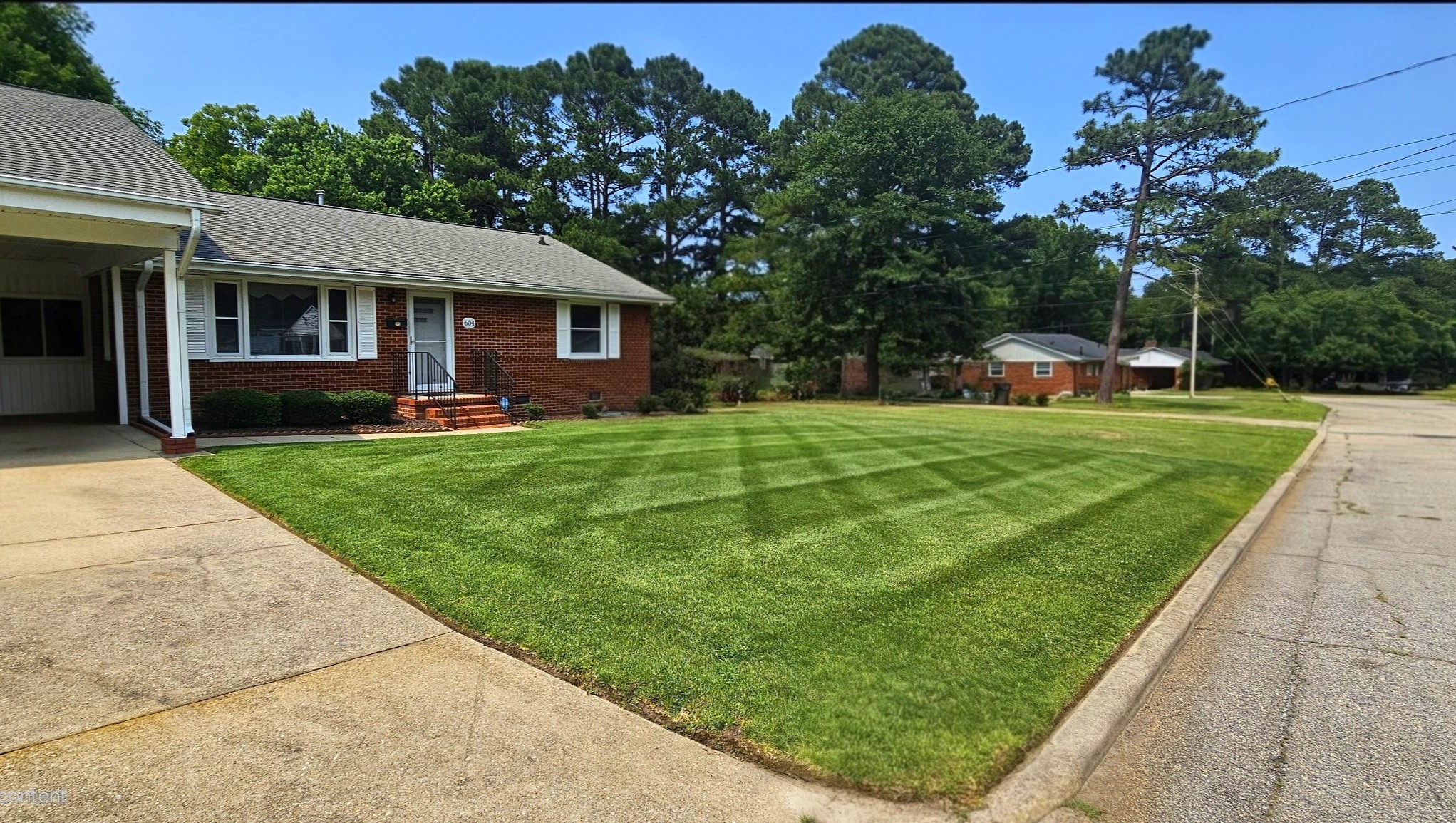
Shade and Sun: Tailored Lawn Care Techniques for Every Environment Jun 10, 2026
First and foremost, understanding your lawn's sun and shade needs is crucial. Sun-drenched areas generally require grass that thrives in bright light, like Bermuda or Zoysia. These grass types are drought-resistant and can endure the intense sunlight. Start by selecting the right seed type and ensure your soil is compatible; a well-aerated, nutrient-rich base will support healthy growth.
For sunny areas, effective watering routines are vital. Early morning is the best time to water as it allows the grass to dry out during the day, thus preventing fungal diseases. Monitor the lawn closely and water profoundly but infrequently to encourage deep root growth, promoting resilience during dry spells. Regular mowing is another essential aspect; remember not to cut more than a third of the grass blade at once to maintain its health.
On the other hand, shaded areas present their own set of challenges. Lawns with limited sunlight often suffer from sparse growth if not treated carefully. Opt for shade-tolerant grasses like Fescue or Ryegrass. These varieties are adept at thriving with less light and tend to have a broader leaf blade, which captures more sunlight.
When dealing with shaded lawns, be cautious not to over-water. Shaded grass naturally retains more moisture due to reduced evaporation rates. To promote growth, focus on encouraging air circulation and reducing compaction by dethatching and aerating annually. Pruning back trees and bushes can allow more sunlight to filter through, subtly improving light conditions.
Fertilization schedules play a significant role in maintaining a healthy lawn, regardless of sun or shade. For sun-bathed areas, it's beneficial to apply a balanced, slow-release fertilizer in early spring and late fall to sustain growth during peak seasons. For shaded areas, lean toward a fertilizer high in phosphorus, which aids in root development, helping the grass better utilize limited light.
Remember, a successful lawn care strategy involves observation and adaptation. Pay close attention to your lawn's response and be ready to adjust watering, mowing heights, or fertilization techniques as necessary. Each lawn is unique and may require different approaches at different times of the year.
In conclusion, tailoring your lawn care techniques to the specific environments of sun and shade can lead to remarkable results. At Natures Accent, we are committed to providing expert advice and top-quality lawn care services to help you master these techniques. Whether you are striving to overcome the challenges of dense shade or making the most of full sun exposure, understanding your lawn's needs and addressing them effectively is the pathway to lush, green success. Consider consulting with our experts for personalized guidance, ensuring your lawn remains the envy of the neighborhood in every season.
/filters:no_upscale()/filters:format(webp)/media/3e4a12ff-0e80-4740-b2e1-07eb1b341ff4.jpg)